Side by side
Know your enemy
Most SoCal infestations are one of these two. Here's a closer look at each.
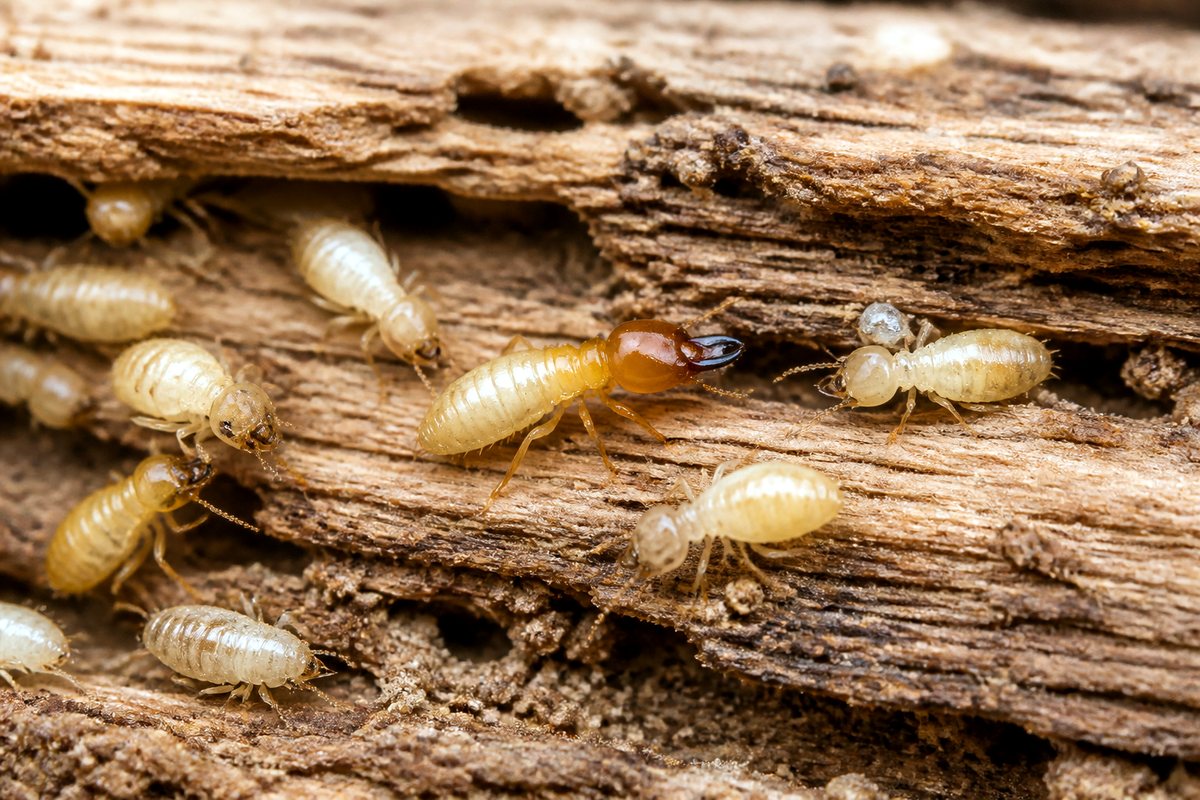
No soil contact needed. Common in attics, framing, fascia and furniture.
 Frass: small pellet droppings Discarded wings near windows Hollow-sounding wood
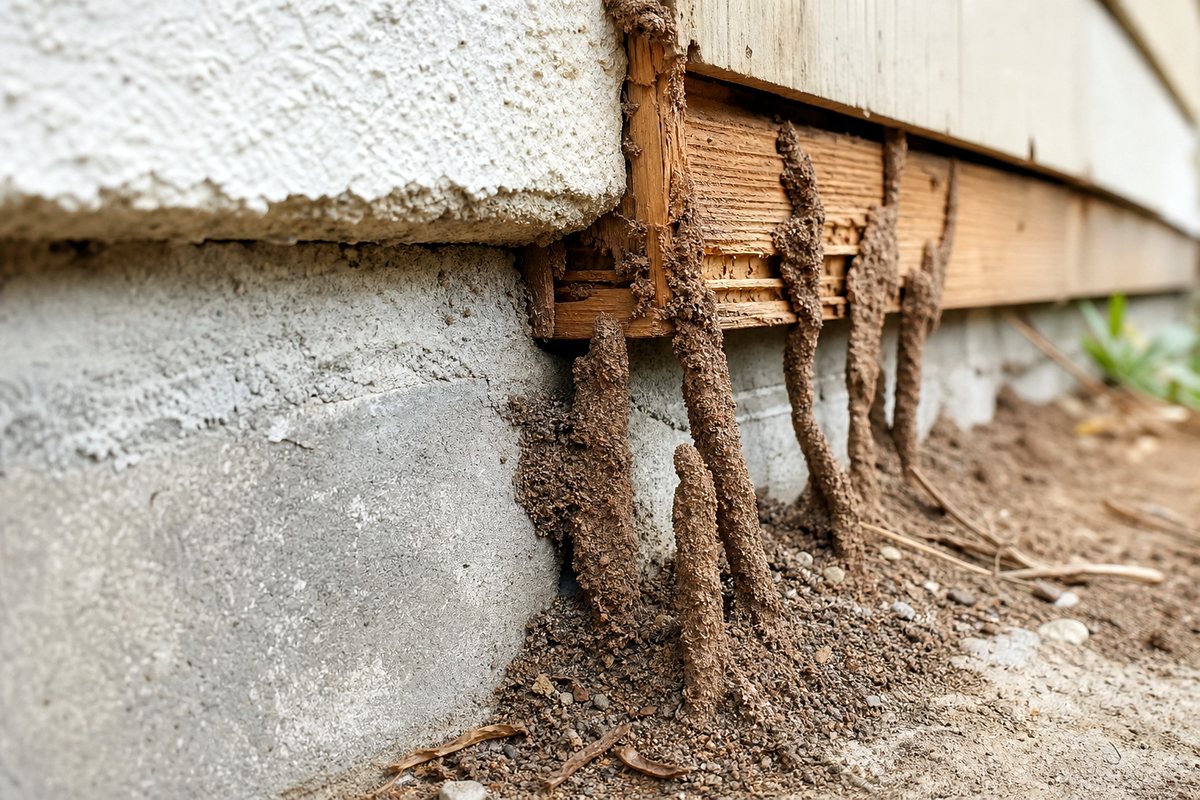
 Needs moisture and soil contact. Builds mud tubes to reach your home's wood.
Mud tubes on the foundation Large, fast-growing colonies Extensive structural damage Know the difference
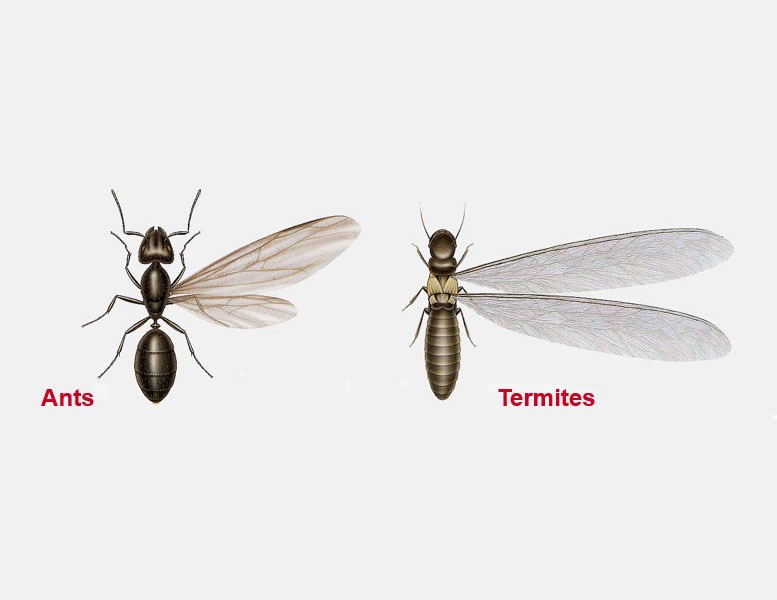
The #1 mix-up homeowners make. Here's how to tell them apart.
Not sure which you have? Get a free inspection. If it's termites, that's exactly what we do.
Drywood: local spot treatment Drywood (widespread): fumigation / tenting Subterranean: soil treatment & trenching Both: wood repair after treatment Follow-up to keep them from returning Termite questions
Not sure which you have? Call (562) 500-3921 for a free inspection.
Both are widespread in SoCal. Drywood termites are extremely common in coastal and inland homes; subterranean termites thrive wherever there's soil moisture against the structure.
Look for the tell-tale signs: small pellet-like frass means drywood; mud tubes running up the foundation mean subterranean. A free inspection confirms it for sure.
They can, if conditions invite them. That's why we repair damaged wood and give you follow-up guidance, and for widespread drywood, full fumigation clears the whole structure.
Every year or two is smart in Southern California, and always before buying or selling a home.
Schedule your free inspection today, we'll identify it and tell you straight.